Acarology Scientific Services
Identifications, species descriptions, training, reviews and resources
Mites and ticks
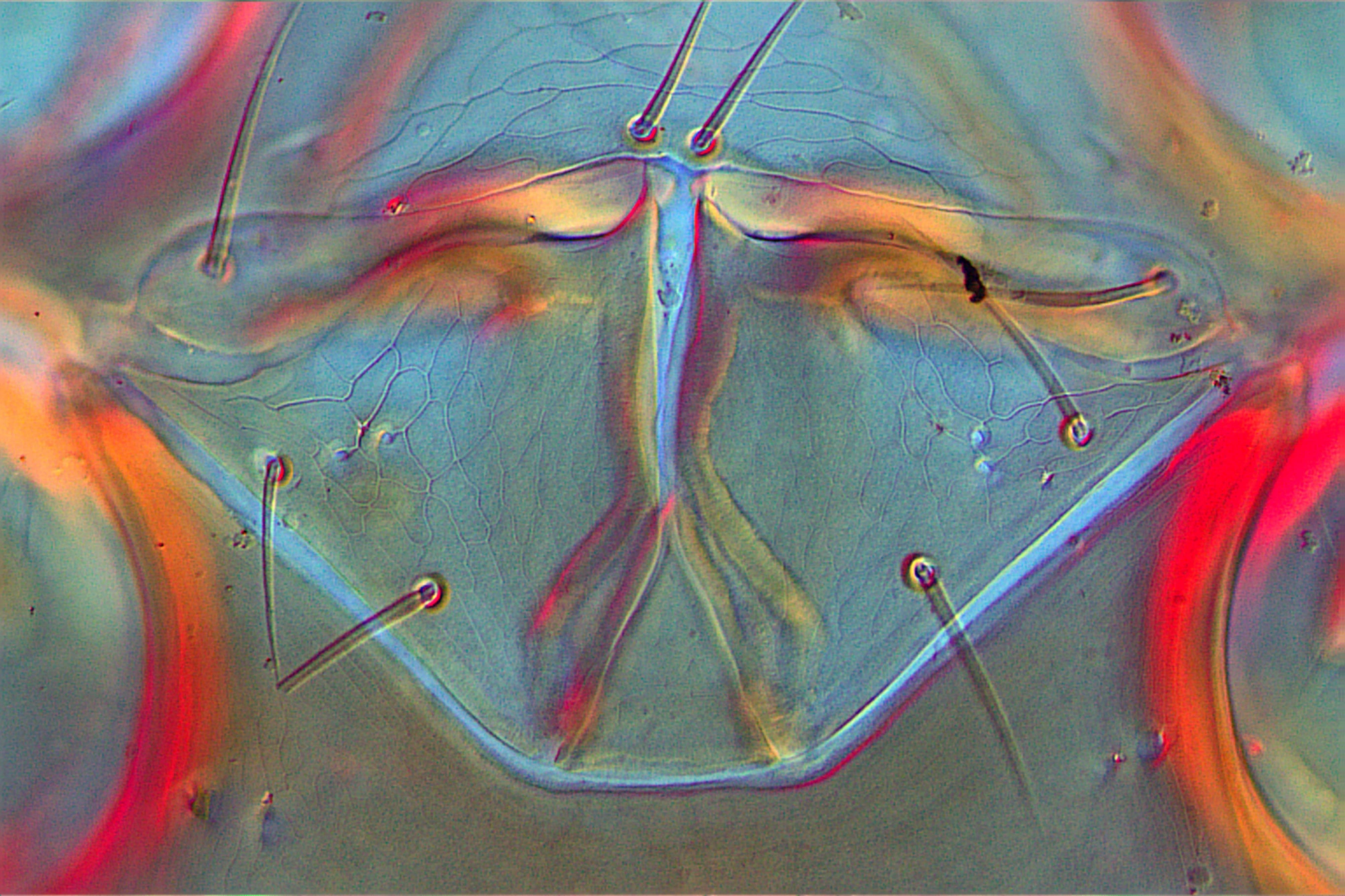
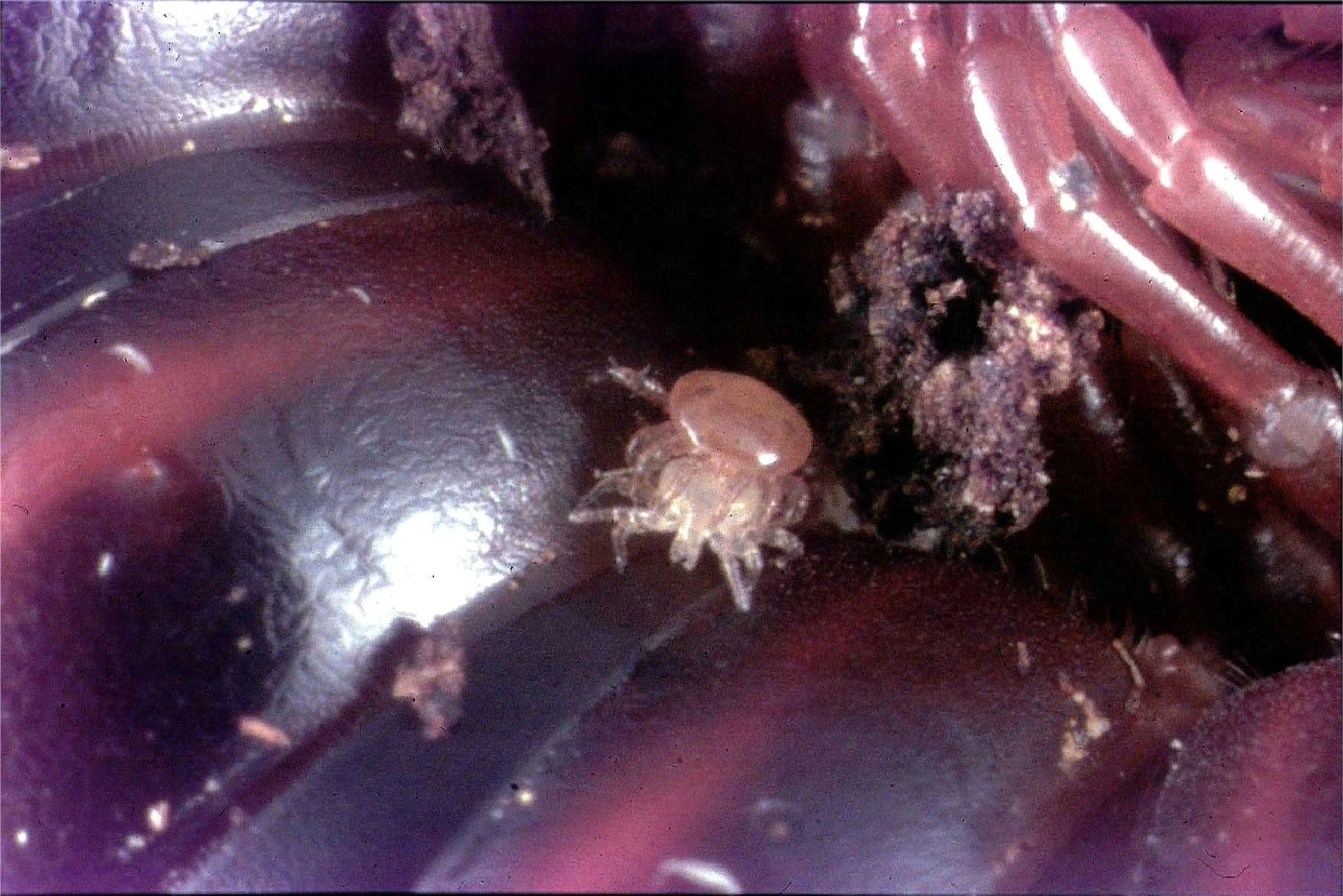
The Acari - mites and ticks - are found absolutely everywhere and include numerous species of agricultural, ecological, and medical and veterinary importance. I've studied mites for more than 30 years with a focus in mites that live with animals and plants.
Services
Identifications
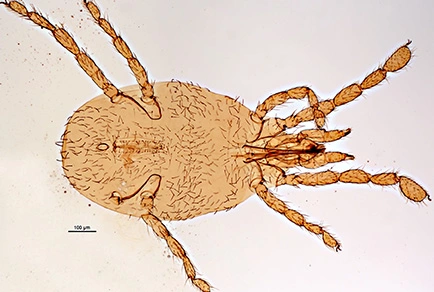
I'm happy to look at photos for free - you can even upload them to iNaturalist - but proper identifications and sample sorting incur a fee. Morphology-based identifications for one species are $330. Please get in touch for bulk discounts and also general information about identifying mites and sending specimens in the mail.
Species Descriptions
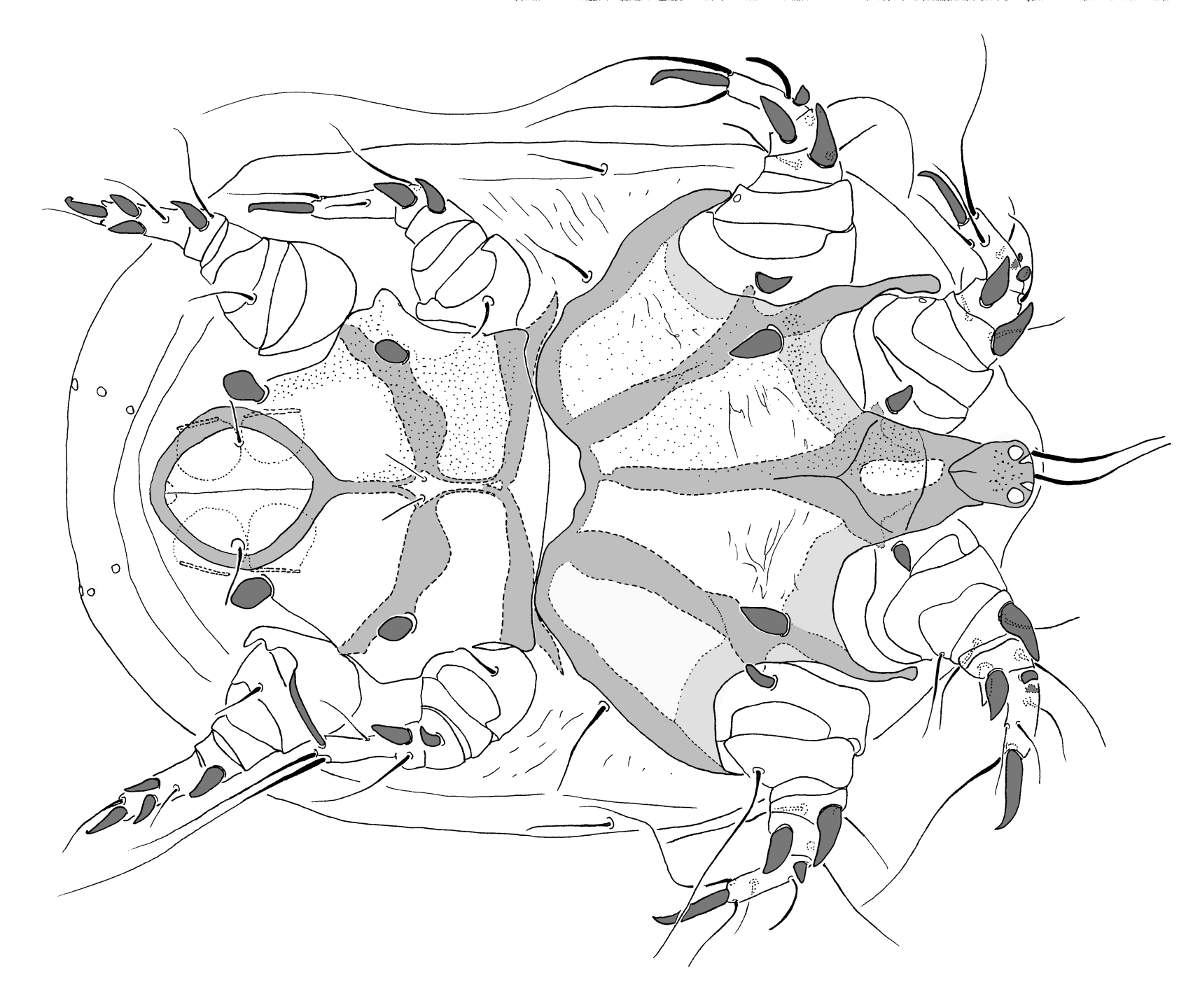
Prices for species descriptions vary according to complexity and scope, but as a general idea a single species description (from mites in a tube to manuscript submission) will cost about $10,000, with subsequent descriptions on the same group costing progressively less to ca. $3000.
Scientific Reviews
For other general acarological services, such as literature reviews, please get in touch. My main areas of expertise are mites living with animals, especially insects, and mites living on plants.
Acarology training
I offer general acarology training courses, but please get in touch regarding more specific needs. My specific areas of expertise lie in the Mesostigmata, Heterostigmata (e.g. Tarsonemidae), Tetranychoidea (e.g. Tetranychidae, Tenuipalpidae) and Raphignathoidea (e.g. Stigmaeidae).
Acarology resources online
Spider Mites Web
Spider mites of the world database: their classification, hosts and distribution.
Spider Mites of Australia
Jenny Beard's essential resource for Australian spider mites: diagnostics, images and LUCID key for their identification.
Flat Mites of the World
LUCID key for the identification of flat mite genera and their diagnostics.
Bee Mite ID
Bee-associated Mite Genera of the World: the best way to identify and learn about mites on bees.
Dave Walter's LUCID keys and glossary
LUCID keys to various mites: "Is it a mite?" and "Major Mite Groups" are great for beginners; the Mesostigmata key is excellent; and the Glossary is a useful tool. On a separate site, also see Families of Parasitiformes in Soil and also Orders, Suborders and Cohorts of Mites in Soil by Walter & Proctor.
Australian Faunal Directory
Australian Faunal Directory: Bruce Halliday's superb catalogue of Australian mites.
Other Mite Databases
Mesostigmata:
http://www.lea.esalq.usp.br/ologamasidae/ (Ologamasidae)
http://www.lea.esalq.usp.br/rhodacaridae/ (Rhodacaridae)
http://www.lea.esalq.usp.br/acari/ascidae/ (Ascidae)
http://www.lea.esalq.usp.br/acari/blattisociidae/ (Blattisociidae)
http://www.lea.esalq.usp.br/acari/melicharidae/ (Melicharidae)
http://www.lea.esalq.usp.br/phytoseiidae/ (Phytoseiidae)
Prostigmata:
https://www.tenuipalpidae.ibilce.unesp.br/ (Tenuipalpidae)
Journals
Acarologia is the longest-running acarology journal and is open-access and free to publish in.
International Journal of Acarology is a respected and long-running journal of acarology.
Systematic and Applied Acarology is the largest acarology journal and is remarkably cheap when accessed via membership to the Acarological Society of America.
Experimental and Applied Acarology deals with non-taxonomic aspects of acarology.
Excellent regional journals are Acarina, Acarological Studies, the Journal of the Acarological Society of Japan, the Persian Journal of Acarology.
Mite miscellania
Acari base: Karl-Heinz Schmidt's awesome database of all mites and acarologists is sadly no longer active. This link will take you to the last version (15 Mar 2026) on the Wayback Machine.
Keifer's Eriophyoidea Literature and Joel Hallan's old list of Eriophyidae are handy resources for Eriophyoidea.
Macromite Blog. Dave Walter's blog may have finished, but it's still got fantastic mite images and information.
Oudemans wiki commons. AC Oudeman's beautiful collection of drawings.
Tick Database - The Wayback Machine brings us Gennady Kolonin's database, which is no longer updated but is still useful.
Virtual Microscope Mite Collection is an interesting way to view mite collections.
iNaturalist
iNaturalist is a great place to explore nature online. I try to provide brief identifications for many Australian mite photos that are uploaded.
Research Gate
A useful platform for sharing publications - you can see or ask for anything I've done on my RG profile. The only catch is that you have to join Research Gate (it's free).